The music
What is fado? A short guide
A plain introduction to fado: the word, the history, saudade, the two main styles, the instruments and what to expect from a concert in Porto.
Reserve a place for the concert ↗Quick answer
Fado is a Portuguese song tradition, traced to 1820s Lisbon, sung by a fadista with a Portuguese guitar and a viola. Its themes are fate and longing, often summed up by the word saudade. UNESCO added it to its intangible heritage lists on 27 November 2011. Lisbon and Coimbra each have their own style.
The word and the feeling
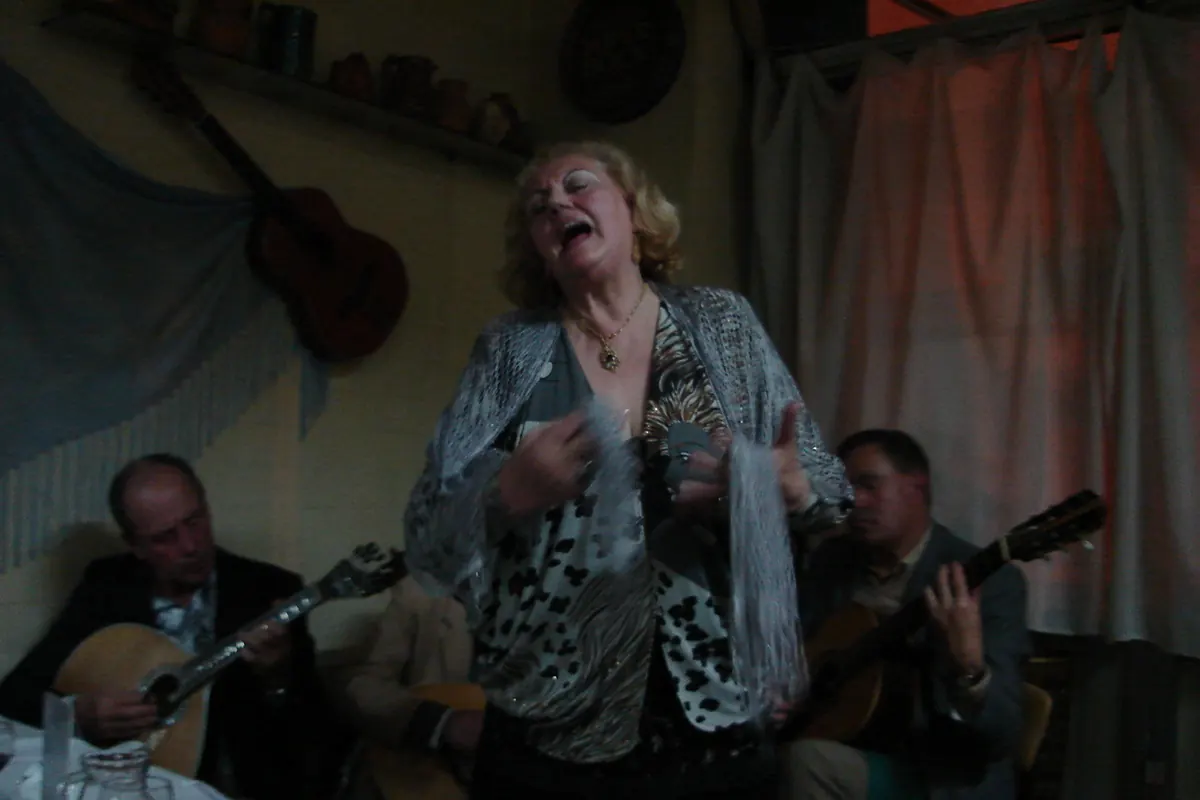
The word fado means fate or destiny and probably comes from the Latin fatum; songs often lean on both senses. It is linked to saudade, a longing for something lost, which the Portuguese word captures better than any translation. The tone is often mournful, with songs about the sea, poverty, love and regret, and a sense of resignation. A listener can feel the mood without understanding a word, so a concert works as well for foreign visitors as for Portuguese ones.
Where it began
Fado is traced to the 1820s in Lisbon, although its origins are probably earlier, and one theory credits a Brazilian musician of the eighteenth century. In the mid nineteenth century it was performed mainly by sailors, bohemians and working-class people in taverns, and by the later part of the century the dance rhythms faded and singers, called fadistas, took over. Maria Severa, who lived from 1820 to 1846, is credited with making the genre famous. Lonely Planet adds that it was born among the taverns of Lisbon's Mouraria district.
From taverns to casas de fado
Lonely Planet describes how censorship after the 1926 military coup removed fado's improvised character, so that it became a professional affair in licensed establishments called casas de fado. Amália Rodrigues, who lived from 1920 to 1999, was the most internationally famous fadista from the 1950s until her death and is called the Queen of Fado. Her death was followed by three days of national mourning. Fado slumped after the dictatorship ended, and a new generation of fadistas revived it in the 1990s.
Lisbon and Coimbra
The two main styles differ. Lisbon fado is the better known and is sung by men and women, usually in taverns and casas de fado. Coimbra fado belongs to the university town and to medieval serenading; only men sing it, in academic dress, and it is often heard at night in squares and on steps. The guitar differs as well, with its own tuning and construction. A tavern concert in Porto bookable on GetYourGuide puts both traditions into one hour by using two ensembles.
The instruments and the audience
Fado is accompanied by the Portuguese guitar and the viola, and modern performances sometimes add a string quartet or an orchestra. In a casa de fado the audience is usually held in a respectful silence while songs are sung, and the meal, if there is one, is served in the breaks. That is why a concert hour in a small room, without a restaurant service, suits first-time listeners: you hear the voice and the guitar at close range, with nothing competing for your attention.
Where to start listening
Lonely Planet suggests any fado by Amália Rodrigues as a starting point, and points to the Museu do Fado's Digital Sound Archive for listeners who want old recordings: it holds thousands of fados recorded between 1900 and 1950. A listener who arrives at a concert knowing two or three songs will hear the guitar's answering phrases more clearly.
Porto's place in it
Lisbon and Coimbra are the usual reference points for its two styles. In Porto the concerts are small: a guitar shop, a tavern in Miragaia and a former convent pantry are among the rooms on the booking site. The fado concert at Casa da Guitarra is one of them, so the history in this guide can be heard in the concert room of a Portuguese-guitar shop.
Read next: Casa da Guitarra: how to book
Frequently asked questions
When did UNESCO recognise fado?
On 27 November 2011, when it was added to the lists of intangible cultural heritage as urban popular song of Portugal.
Is fado always sad?
It is popularly associated with mournful tunes and longing, though not every song is mournful. Common subjects are the sea and the life of the poor, with fate and longing running through them.
Sources